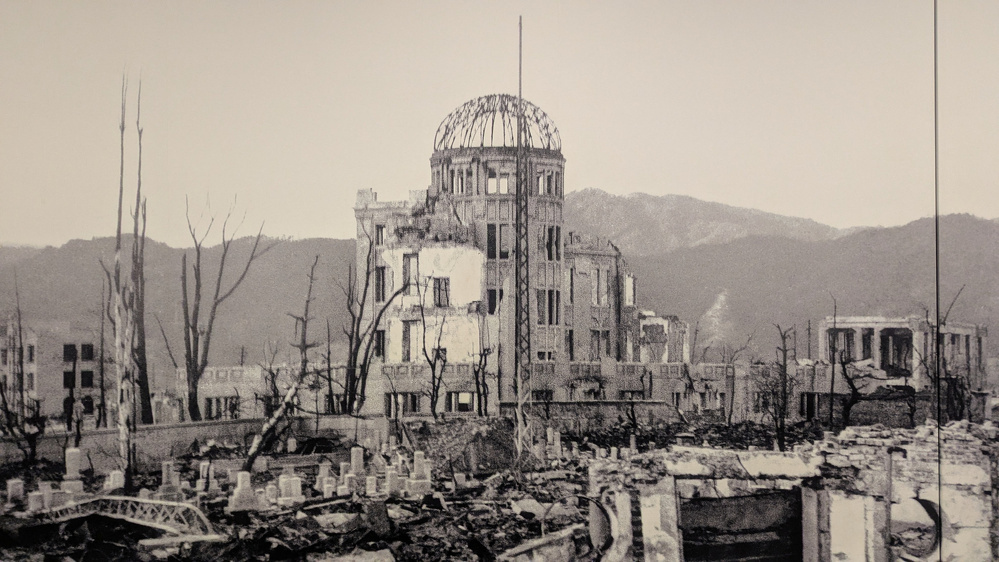
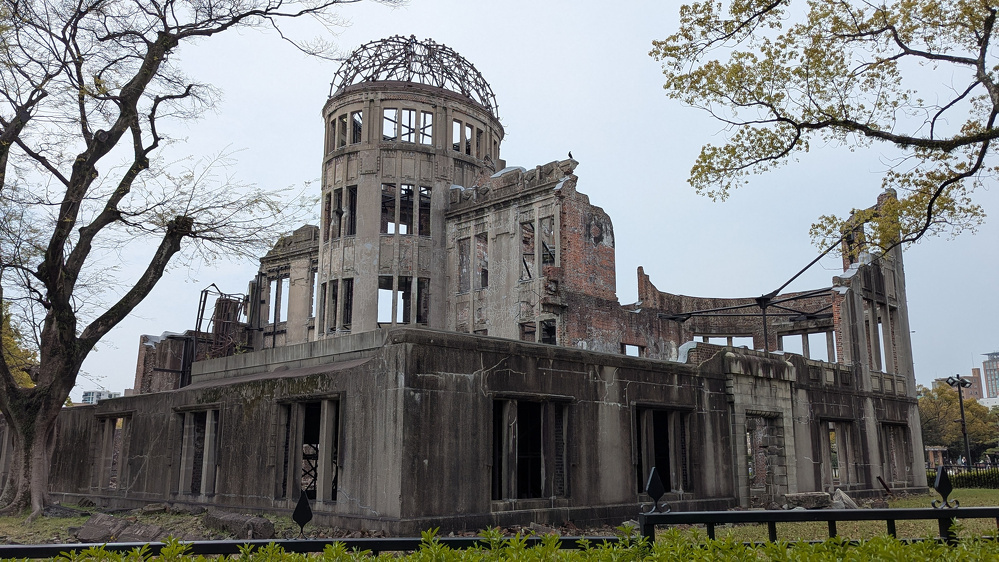
This is the hardest one to write, because the emotions the visit to Hiroshima evoked were very visceral and strong. They remain so today every time I think of the visit.
I write this on Memorial Day in the US, a day when we honor those who died in the wars fought by American troops. Since the victors always get to write the history, those innocents who died in wars are never remembered. With this post, I'd like to honor and remember those who perished in the attacks on Hiroshima and Nagasaki between Aug. 6-9, 1945, and those who continue to perish today as a result of the radiation poisoning they received after the initial blast. In August 2025, another 5,000 hibakusha were memorialized at the shrine now located in close proximity to ground zero. As of March 2025, 99,130 remain alive today.
I am not informed enough to take on the discussion of whether the firebombings of Tokyo or the dropping of atomic bombs on Hiroshima and Nagasaki are war crimes or not. The historical context is complex on both sides. I can only offer my opinion that the bombing of civilians and civilian targets without regard for their right to life and their dignity as human beings is a crime against humanity. It was the human pain I felt from those who suffered through no fault of their own, but rather through the faults and machinations of national and world leaders pursuing power and dominance. The innocent will always suffer and die under these conditions.
It was the suffering of the innocents I felt the most while walking the grounds and visiting the museum. Ba no Kuuki wo Yomu is a Japanese idiom that translates as "understanding the situation without words." Its literal translation is "reading air." If you should ever find yourself in Hiroshima, read the air. It will tell you more about what happened there than this post ever can or ever will.
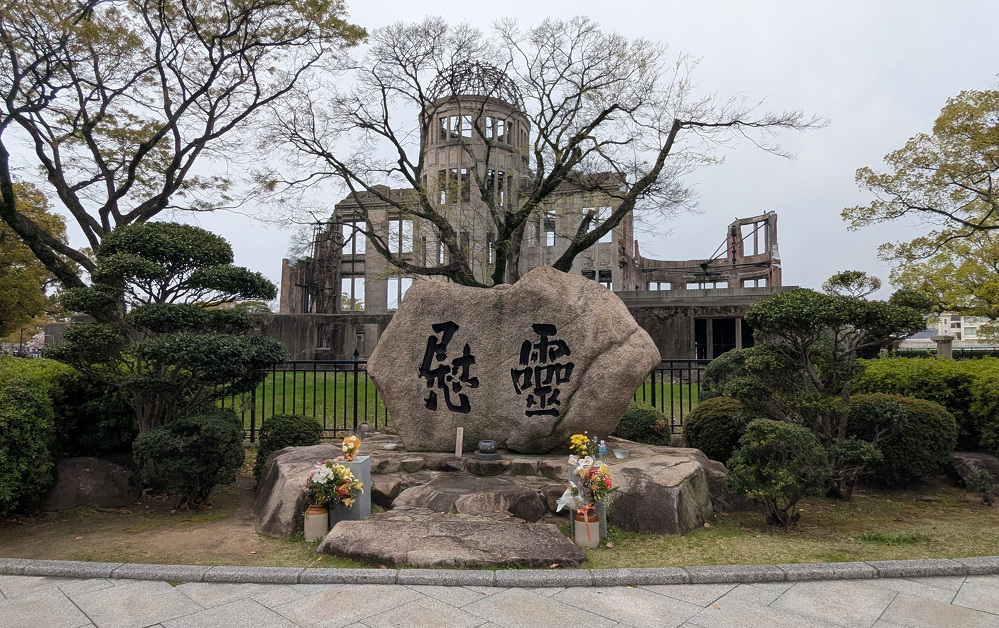
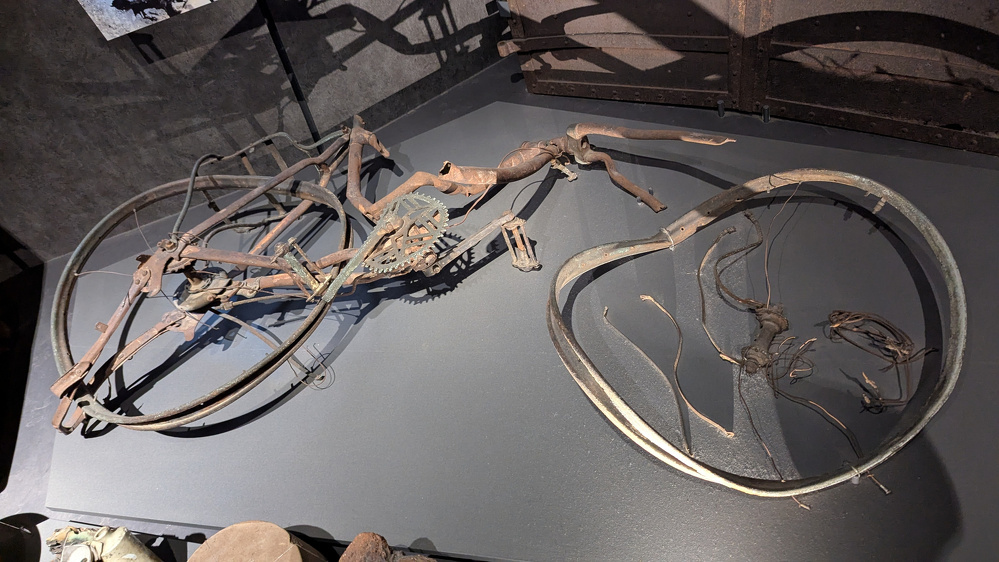
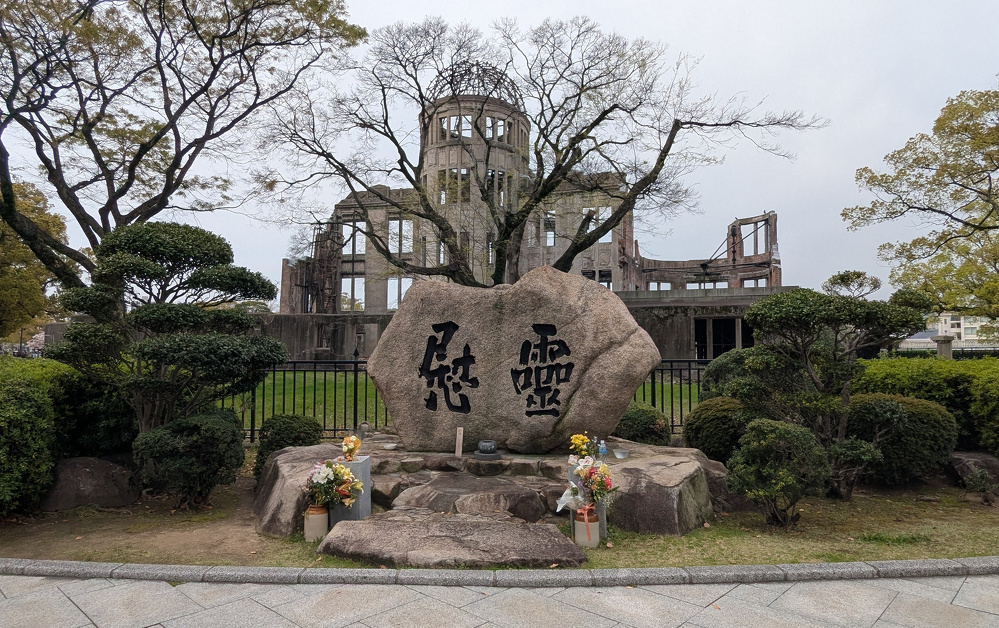
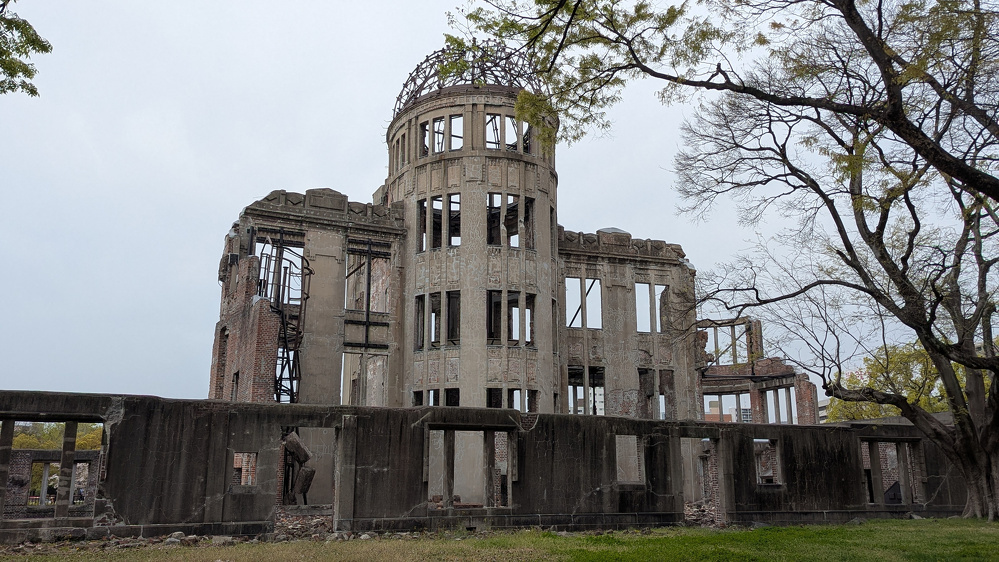
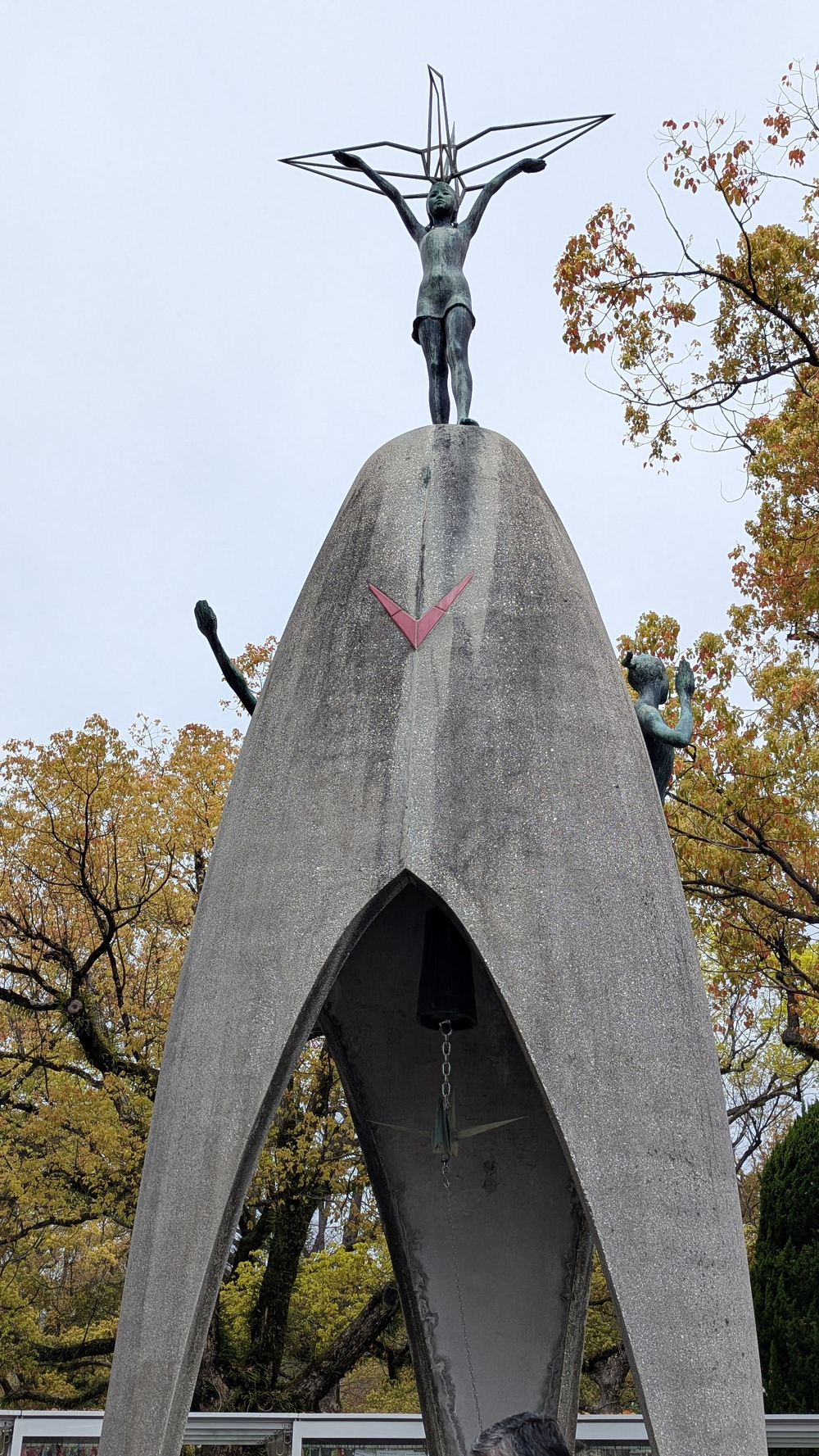
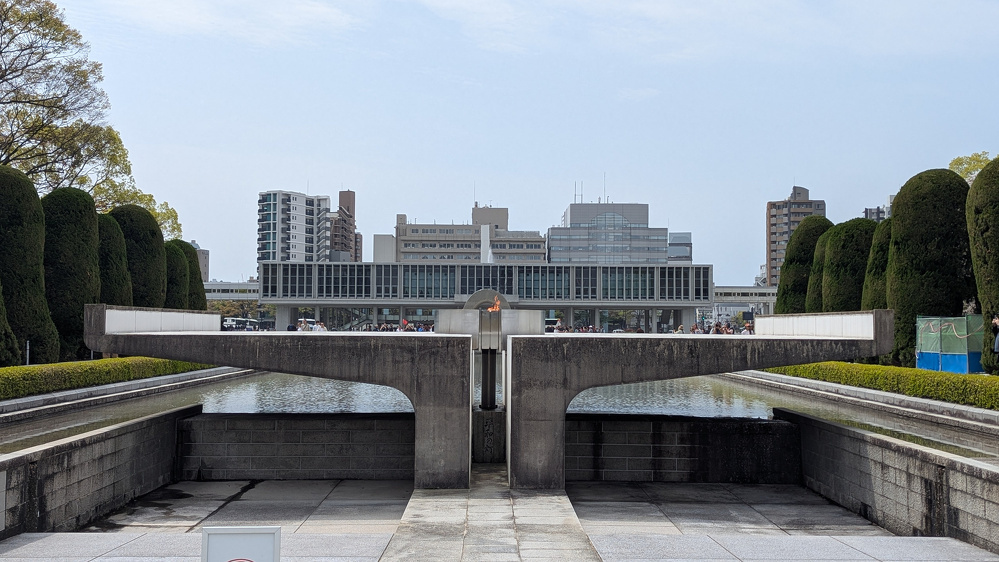
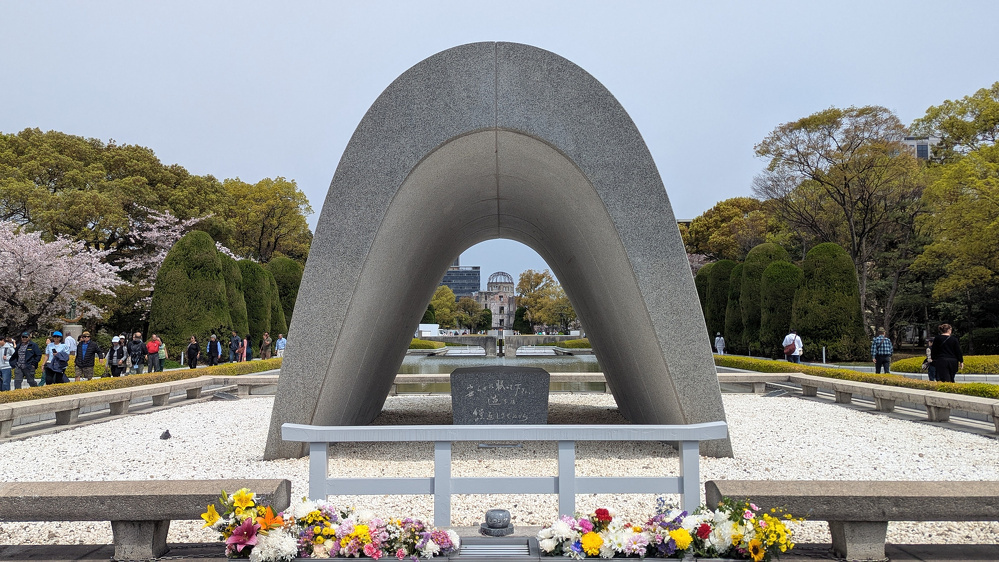
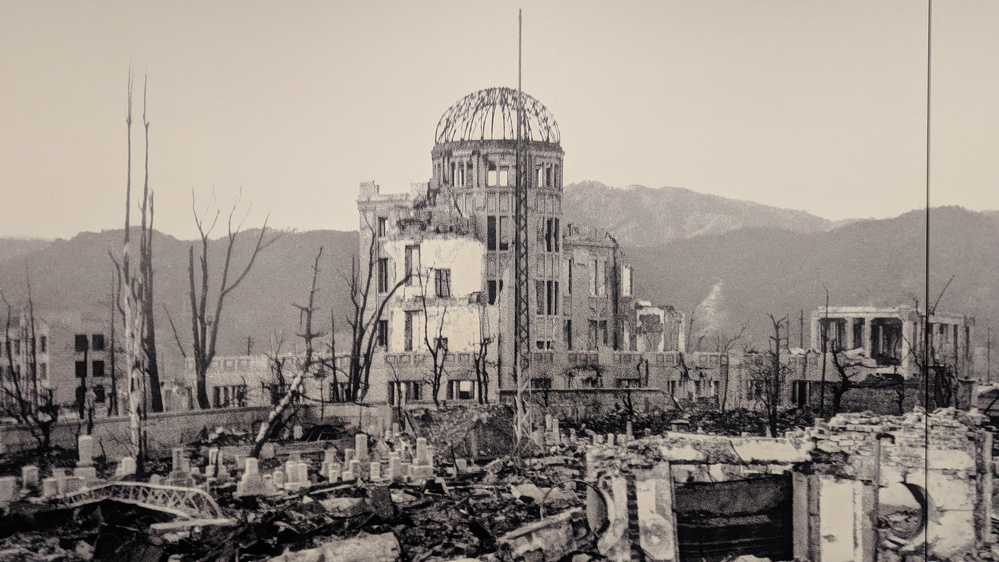
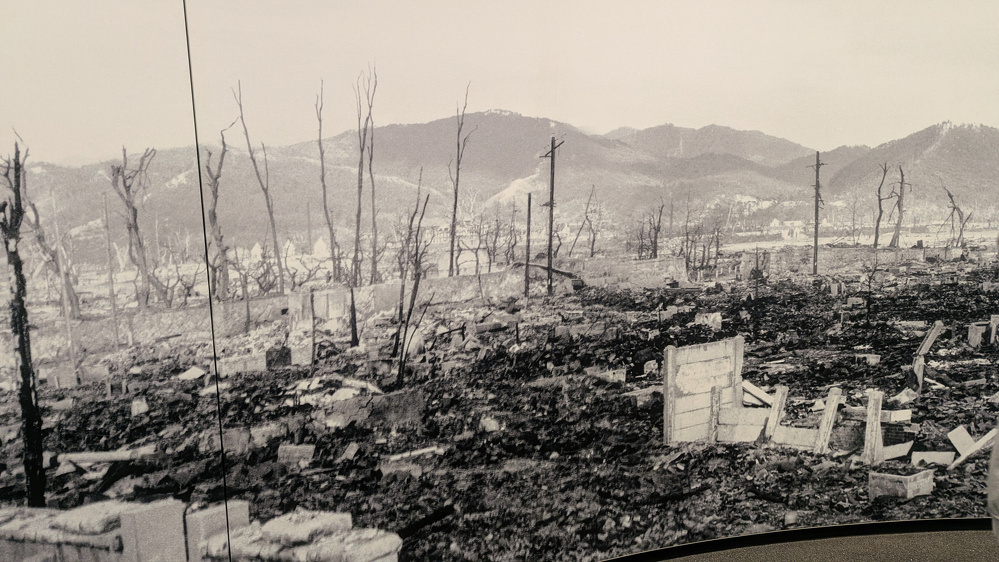
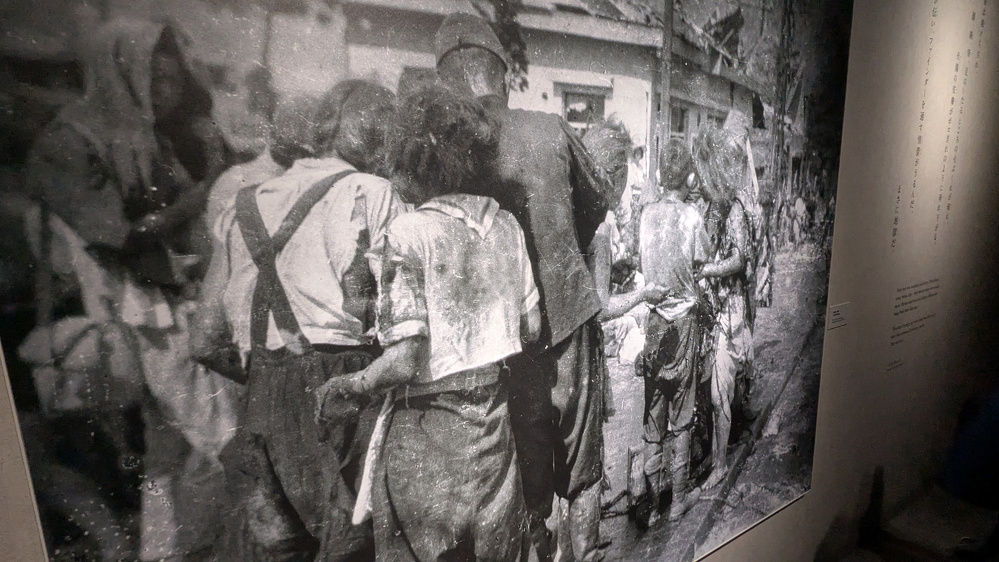
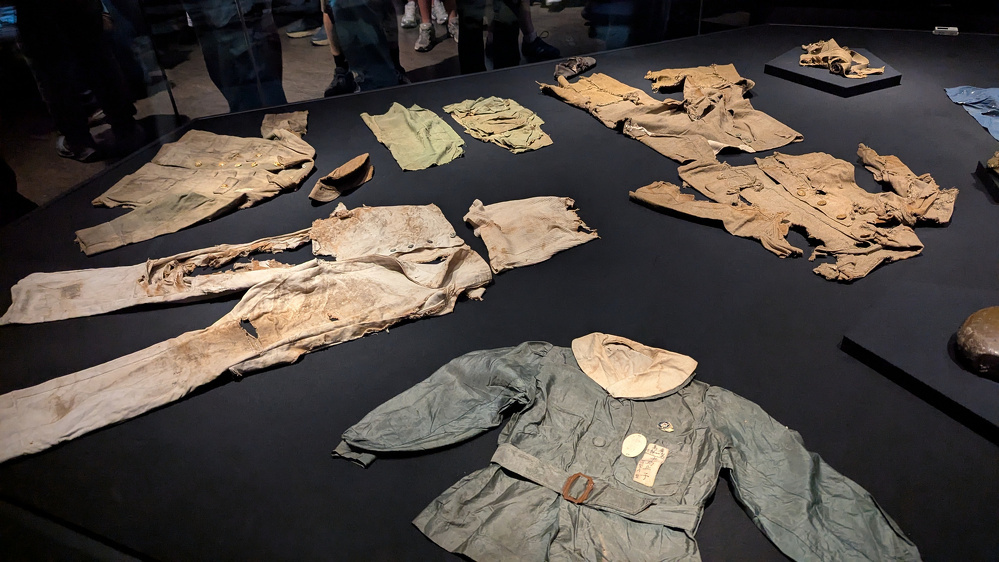
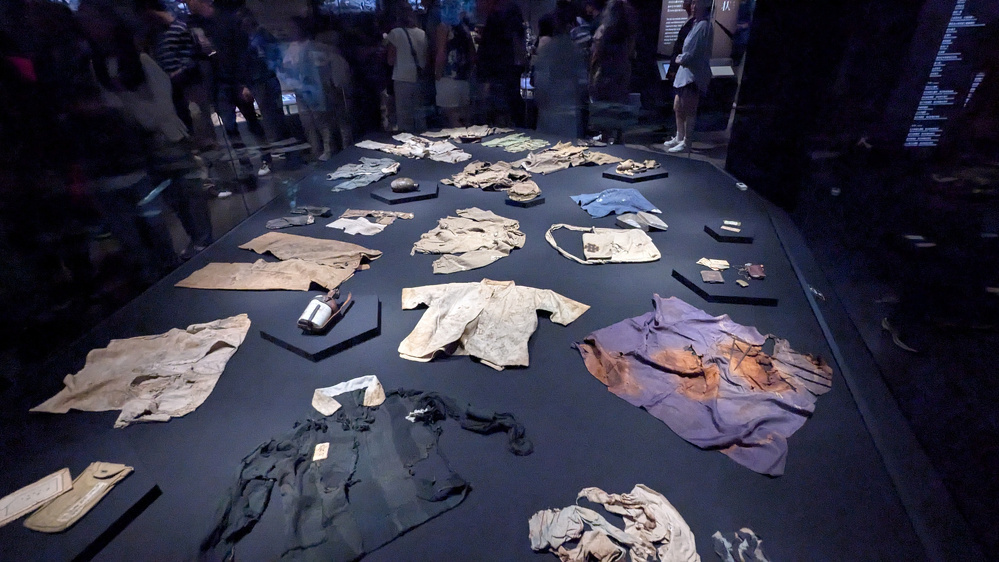
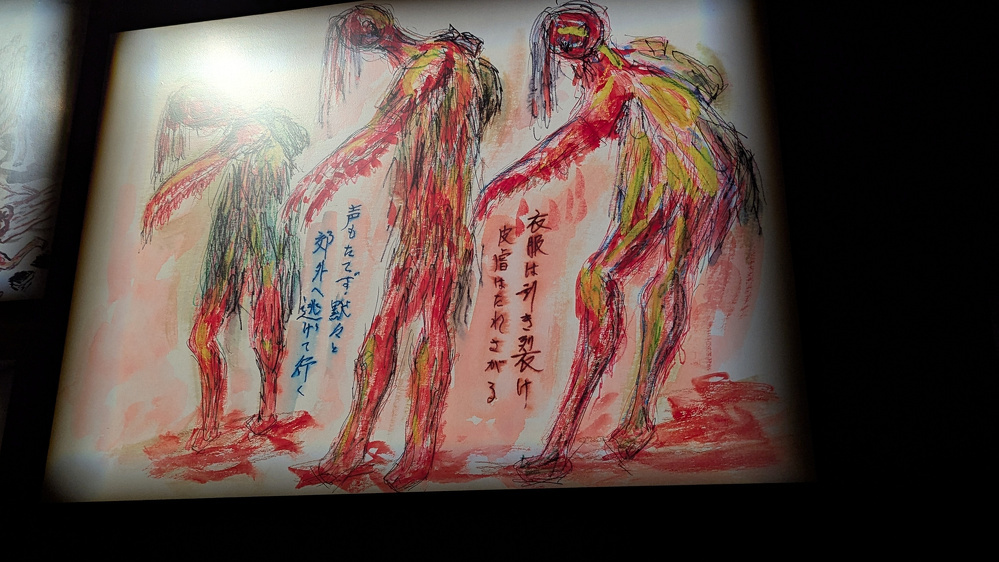
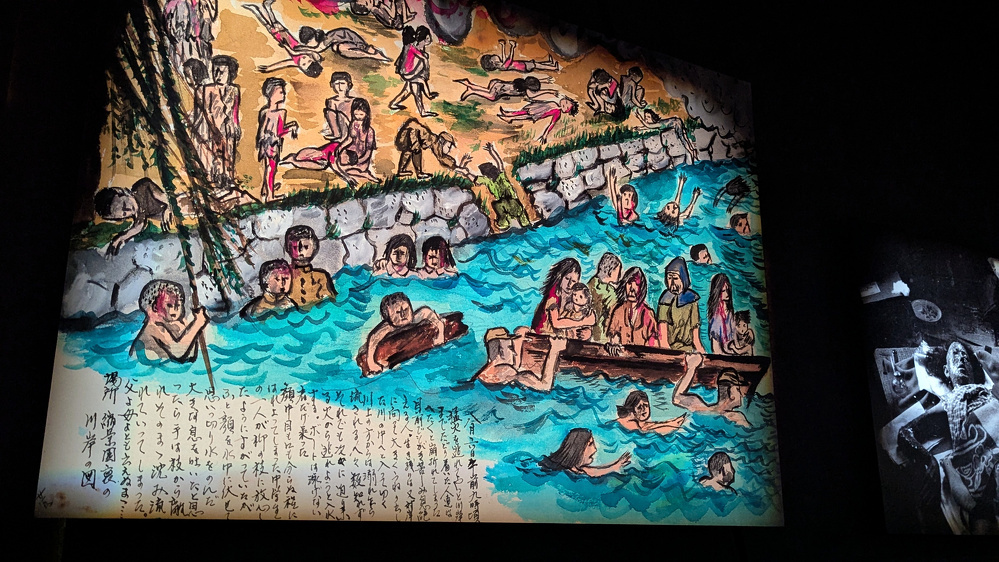
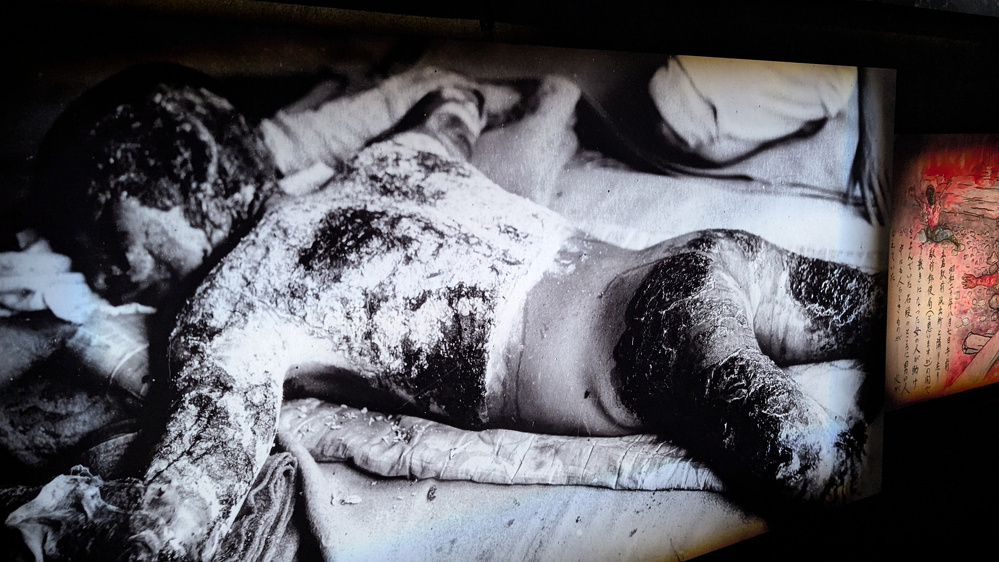
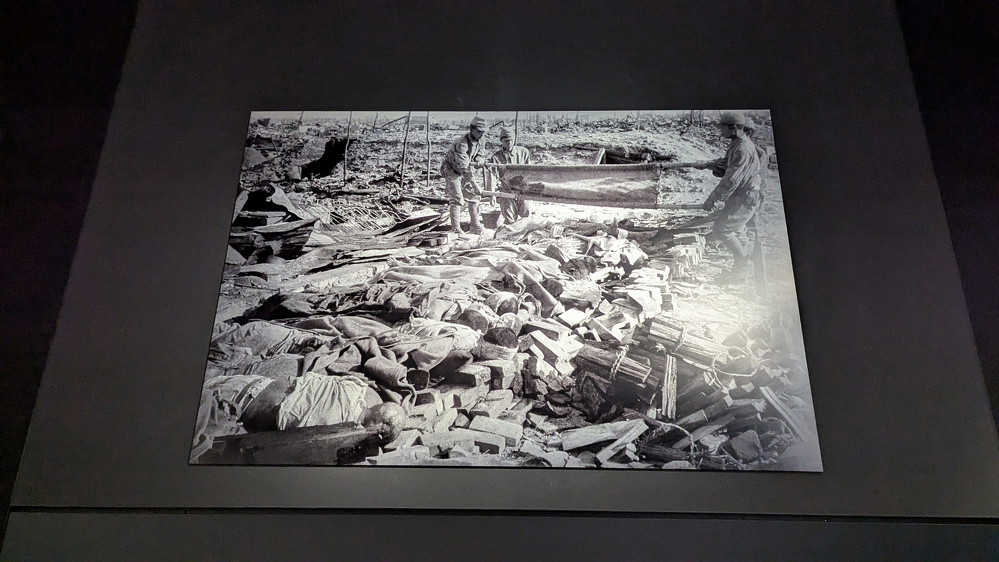
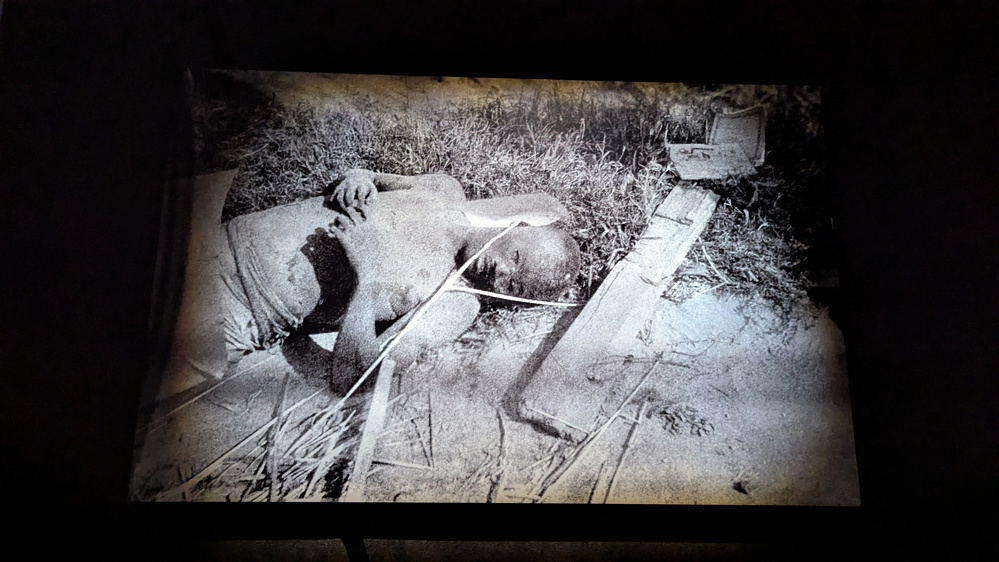
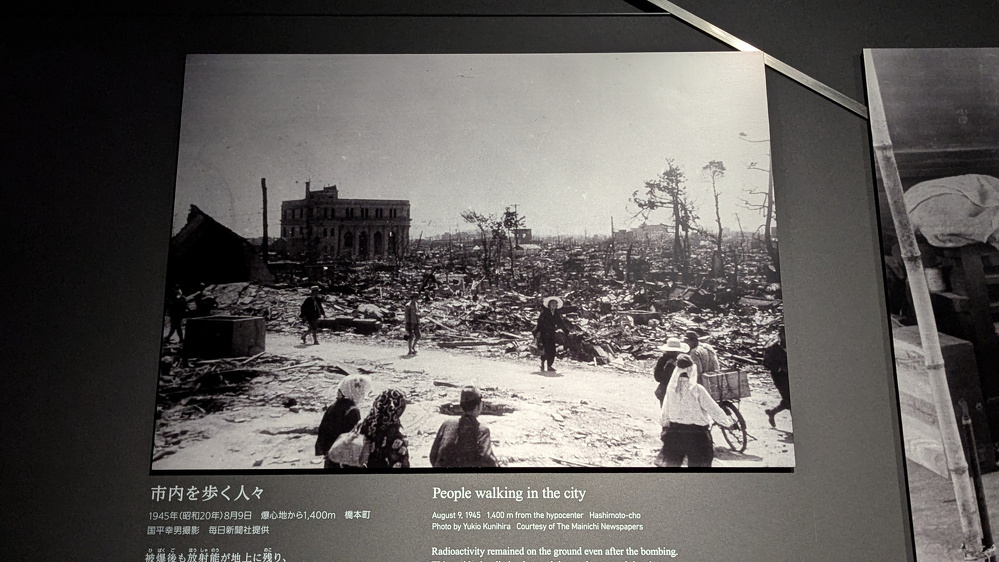
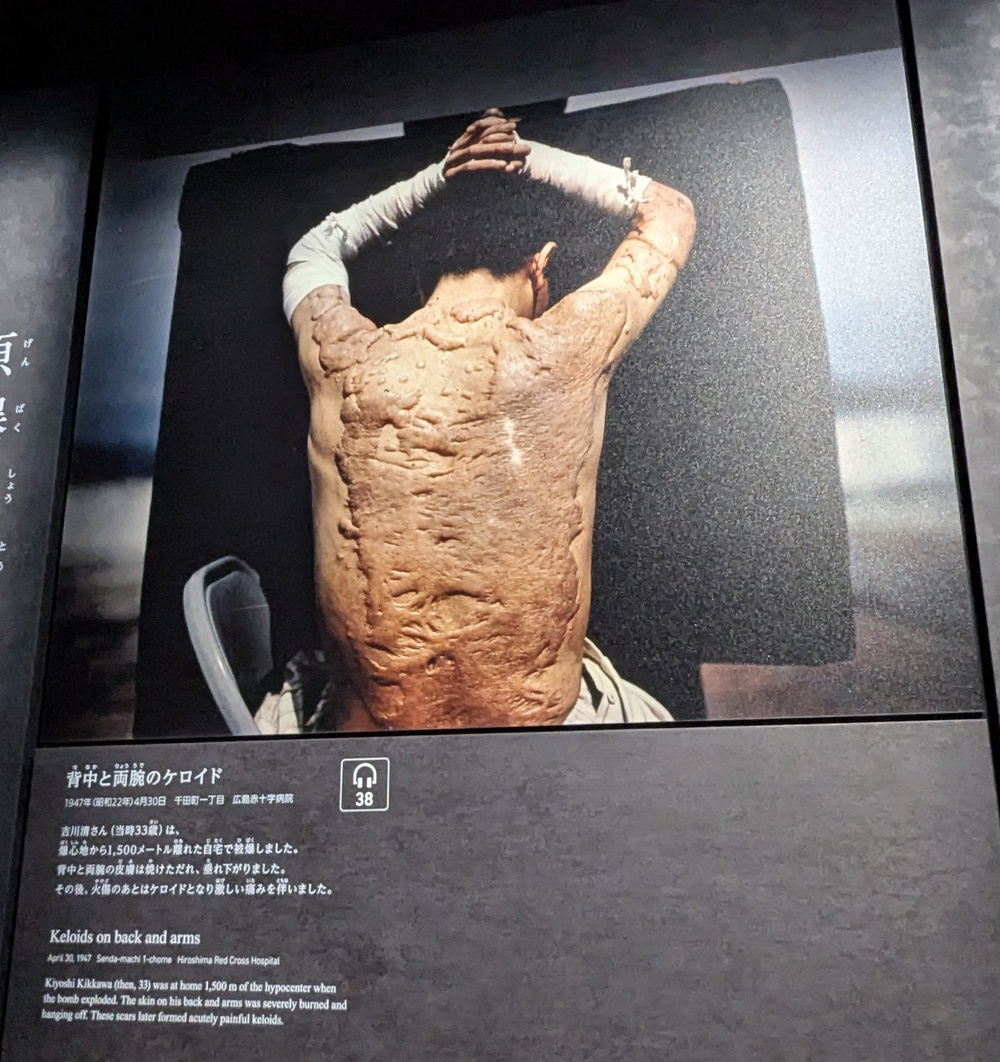
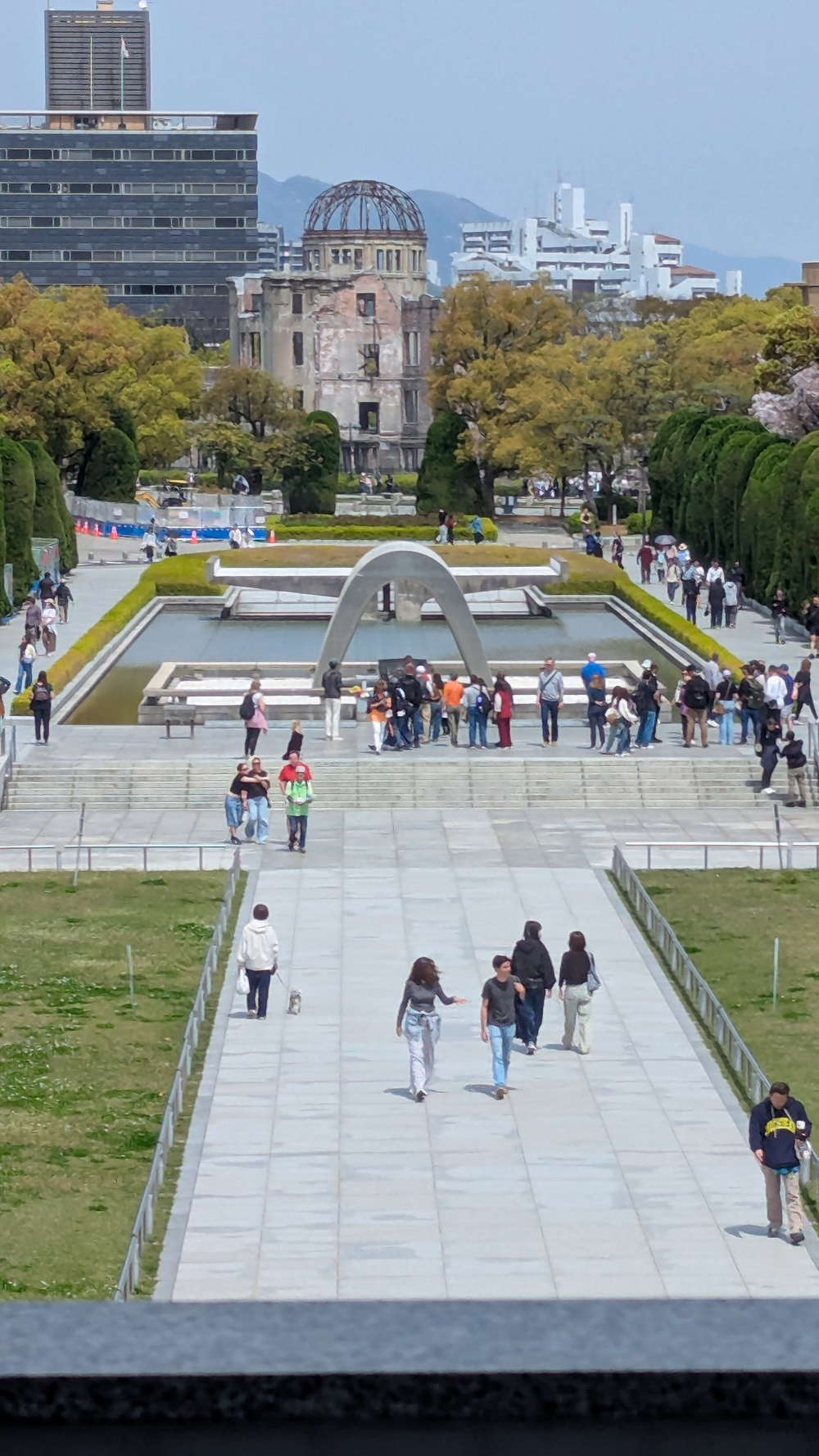
Information taken from Wikipedia entries. Additional images from the exhibit in the Hiroshima Peace Memorial Museum.