When talking about solar power, the first thing to know is that the sun really doesn't power anything directly on its own. Rather, energy from the sun is collected via solar panels and then stored in a battery. When you want to access the stored energy, you extract it by creating an electric current that flows through wires and powers your devices. This is a vast oversimplification, of course, and I am not anywhere close to being an electrical engineer. Nor are these posts designed to educate you on the deeper workings of these items. The fact is, anyone can put these four items - solar panels, solar controller, battery storage, and power supply - together to use solar power. Today's solar technology has made all this beginner-friendly, so we won't go through the gory details. For this post, let's just go over these four components and see how they work together.
The first component is the solar panel. The function of a solar panel is to convert the sun's light energy into electrical energy and transfer that energy into the battery for storage. The electric current created is called DC (direct current). DC is the most efficient way to use electrical energy because there is less energy loss from heat. Solar panels come in all sorts of sizes, and are mostly measured by the amount of watts they can produce under ideal conditions. Conditions in the field, however, are never ideal, so that always has to be accounted for. A solar panel rated at 200W, for example, may only be capable at best of producing 185W in actual use. They are also susceptible to shade, clouds, and anything else that reduces the amount of sun shining on them. They are best placed facing as close to the south in as much direct sunlight as possible, and for general use, an angle of 30-45 degrees is best for their operation.
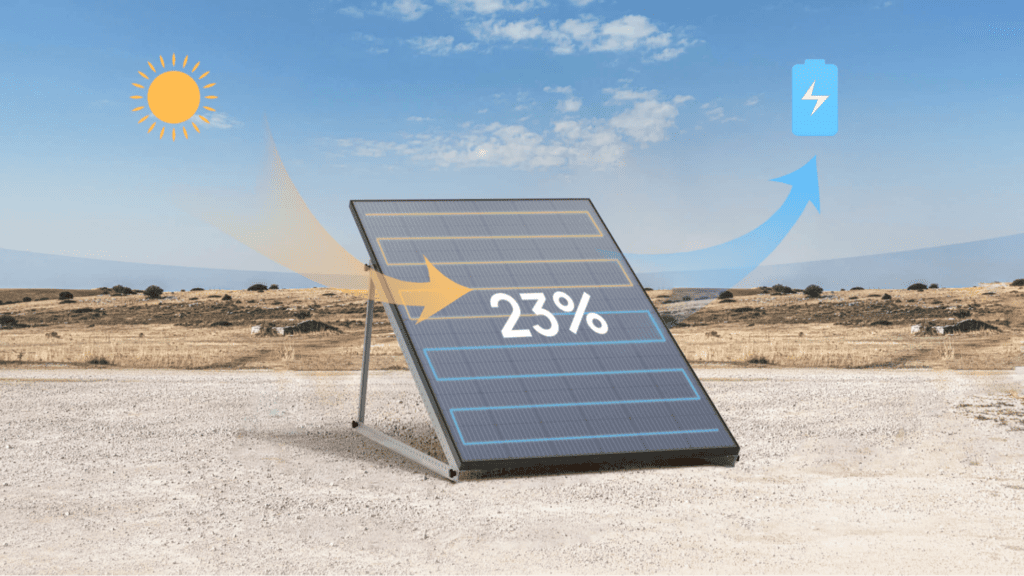
The second component is a solar charge controller. This device regulates the flow of solar energy into the battery. It is there to make sure the battery receives a consistent flow of current so the battery doesn't try to absorb more current than it can handle. It also shuts off the current flow when the battery is full.

The third component is the battery. Solar panels can be used to charge a battery of any type. Lead acid, AGM (absorbed glass mat), and lithium are the three battery chemistries in use today. Lithium iron phosphate batteries are now considered the industry standard when it comes to solar power, as they are high-capacity, lower in weight, maintain their full voltage for a complete cycle, and are very safe. Batteries come in different voltages, but 12V batteries are the most common for everyday use.

The fourth component is a power supply device, which is capable of taking the energy from the stored battery and turning it into usable power. The electricity can be delivered either as direct current (DC) or alternating current (AC). A battery naturally delivers electricity as DC current. To obtain AC current, such as you get from the wall sockets in your home, you need a device called an inverter, which changes the flow of the electricity from DC to AC.


For beginners, the best choice for managing solar energy is a portable power station. A portable power station combines into one unit the functions of a solar controller, a battery bank, and usually both DC and AC power supplies. This is the unit that revolutionized solar power for the average person, as you no longer have to wire all four separate components together yourself. You simply take an appropriately sized solar panel that matches the specifications of the power station, plug it into the power station, and the power station will start charging its internal batteries. You can then activate the DC and AC power supply units, and plug in your devices. That's it. You're now working with solar power!
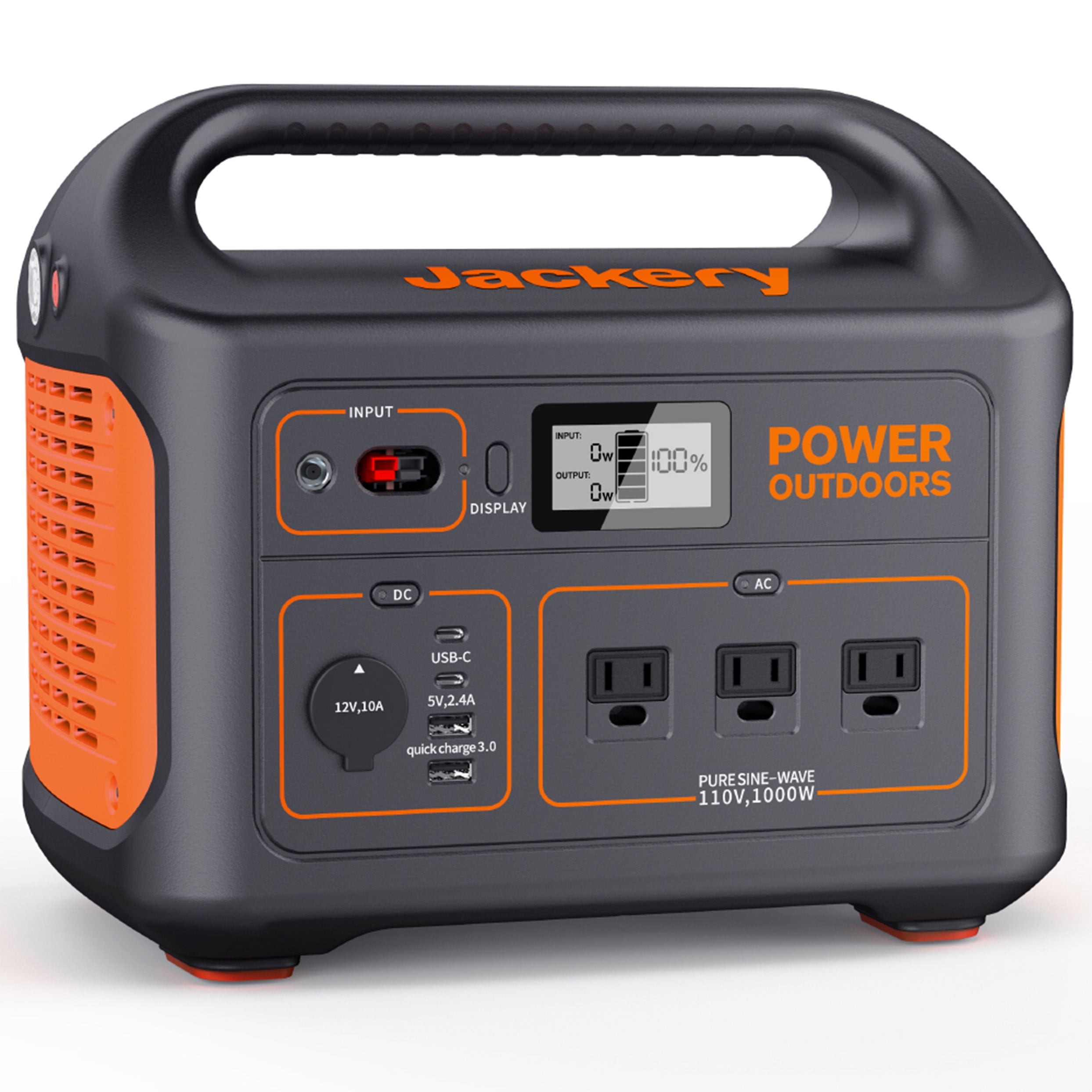
The best part of all is that a portable power station can continue to accept a charge while running an electrical load, which means in theory that you can continue to run an electrical load so long as the power coming in from the solar panel is greater than or equal to the power going out.
This is all it takes to get into using solar energy. It's dead simple to wire all this together, and in the next post I'll go into the basics of how to connect these three components together to create a system for generating and using solar energy.